
Where should I start with Fire Emblem Fortune's Weave combat?
Learn blue/red tiles and the counterattack rule, then add Combat Arts, then Blaze Arts, then Fortuna rewinds.

Sponsored
This Fortune's Weave combat guide summarizes public battle systems for Fire Emblem: Fortune's Weave (Intelligent Systems / Nintendo) on Nintendo Switch 2 (exclusive). It covers weapon roles, positioning, Combat Arts, Blaze Arts, and Fortuna Blessing — not invented Might / Hit tables. Verified August 16, 2026 · Nintendo Store.
| Fact | Detail |
|---|---|
| Platform | Nintendo Switch 2 (exclusive) |
| Battle style | Grid · turn-based · single-player maps |
| Move / attack UI | Blue movement · red attack range |
| Arts layers | Combat Arts (durability) · Blaze Arts (HP) |
| Recovery tool | Fortuna Blessing — rewind after a move |
| Class note | Weapon-locked jobs — see classes page |
| Release | September 17, 2026 |
Matches open with party select and starting placement, then the familiar Fire Emblem phase loop. Victory often includes defeating the opposing leader — always confirm the brief before you overextend.
| Step | What you do |
|---|---|
| Deploy | Choose party members and initial tiles |
| Player phase | Move and act with each ready unit |
| Enemy phase | Opponents act after your phase ends |
| Ranges | Blue = move · Red = attack from the standing tile |
| Win check | Leader KO and/or other briefed conditions |
If you know Three Houses or Engage maps, the tile colors and phase order will feel familiar. What changes for Fortune’s Weave are the featured layers on top — Blaze Arts, Fortuna Blessing, and class-gated weapons from public materials.
Weapon roles are the next thing to memorize before you open the arts menus.
Public Direct narration assigns a clear job to each common weapon family. Treat the table as a role sheet — exact Might / Hit / Crit numbers wait for launch.
| Weapon | Public role | Combat note |
|---|---|---|
| Swords | Straightforward / easy to wield | Balanced default for many sword-locked jobs |
| Gauntlets | Easier to evade attacks | Includes specialty variants (e.g. firearm-look gauntlets) |
| Spears | Massive damage to cavalry | Public anti-cavalry line (some materials still say lance) |
| Axes | Low accuracy, high attack | High reward trades when you can stack hit help |
| Bows | Distance attacks; strong vs flying | Keep melee counters off the tile |
| Magic | Strong vs heavy armor; can heal / support | Offense and staff-style utility in one family |
| Unique finds | Levin-style lightning swords, specialty gauntlets, etc. | Hunt for these after Shopping Arcade unlocks |
Public materials: jobs gate what you can equip (coverage contrasts this with freer Three Houses access). Buy and forge for the class on the field today — full tier notes on classes.
Roles only matter if the enemy cannot punish the tile. Positioning is the real gate.
If you strike inside an enemy’s attack range, they might counterattack. Public materials call positioning a key combat element — arts do not erase a bad tile.
| Situation | Default action |
|---|---|
| Enemy is melee-only | Attack from outside their range when you can |
| Enemy is long-range | Close in so their distant attack cannot answer |
| Terrain available | Take the defensive tile before spending arts |
| Ally adjacent | Park for adjacency buffs when the map allows |
| Trade looks even | Fortuna-ready: take the fight, rewind if the forecast lies |
Terrain and adjacency are the free layer. Spend Combat Art durability and Blaze Art HP only after the tile choice is sound.
When the tile is right and a normal swing is not enough, Combat Arts are the next spend.
Combat Arts are special attacks unleashed at the expense of weapon durability. Public footage shows higher power, longer range, and other advantageous effects — use them on decisive moments, not every chip trade.
| Layer | Costs | Typical use |
|---|---|---|
| Normal attack | Durability cost unconfirmed (verify at launch) | Safe chips and cleanup |
| Combat Art | Extra durability (confirmed) | Power / range / utility when the kill or break matters |
| Blaze Art | Hero HP | Route-defining burst — see next section |
Broken weapons send you back to the Shopping Arcade during Free Time. A Combat Art that wins the fight but strands your lead for the next match is a schedule loss — pair this page with Dagsion hub planning.
Blaze Arts sit above Combat Arts as the hero-featured spend.
Blaze Arts are Fortune’s Weave-featured special moves that consume the hero’s health points for battlefield-changing effects. They are not just stronger Combat Arts — they are an HP budget.

| Hero | Public Blaze Art effect |
|---|---|
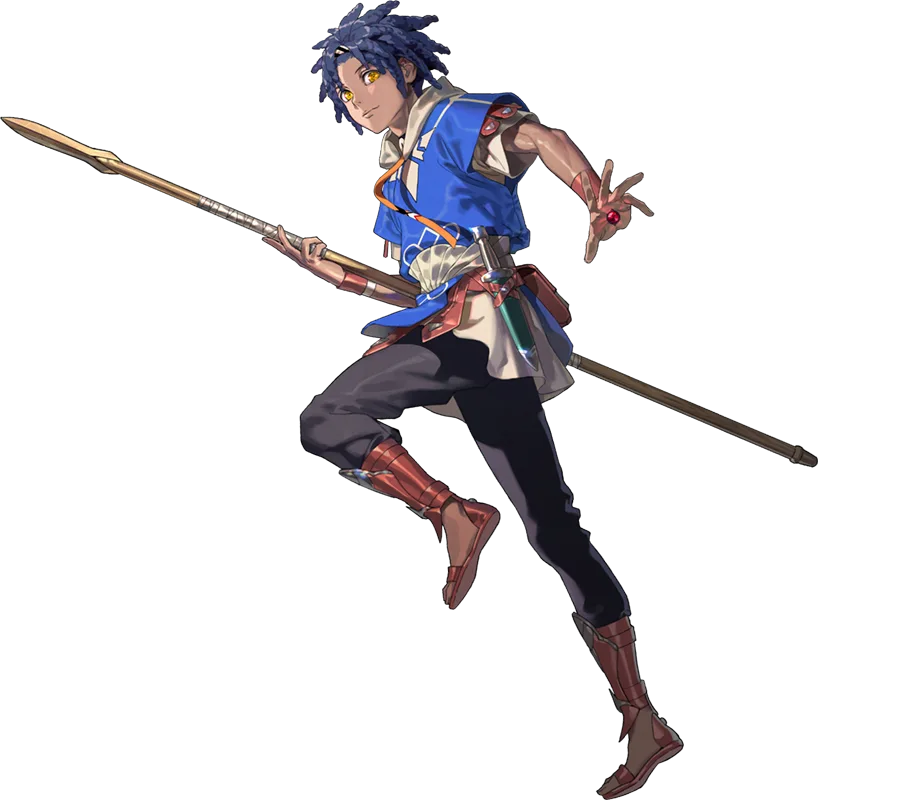 Cai Cai | Releases a burst of otherworldly power — wide-area flames |
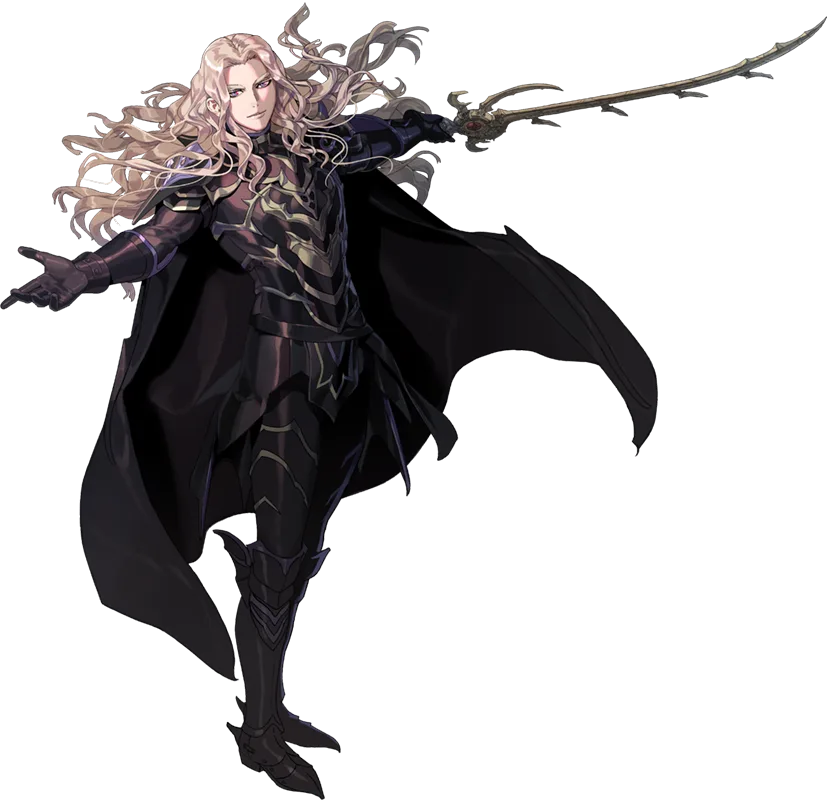 Dietrich Dietrich | After moving, ink-black cloak warps him to hard-to-reach tiles |
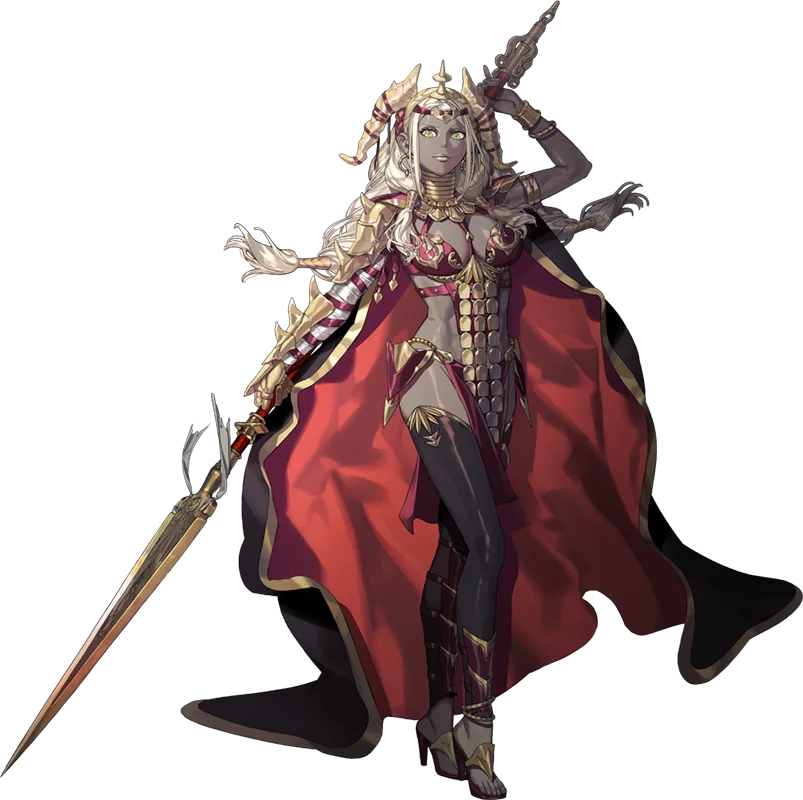 Theodora Theodora | Ancestral power rents the earth and hurls it at foes |
 Leda Leda | Plays the vihuela to buff allies, summon a powerful monster, and more |
Community / wiki digests discuss Blaze Gauge thresholds and Burst risks. Until launch builds confirm on-screen meters, treat HP cost as the verified rule and keep gauge speculation off your decision sheet.
When a trade still goes wrong after the art, Fortuna Blessing is the recovery layer.
Fortuna Blessing lets you turn back time in battle. After each move, you can rewind to a previous point so a bad trade does not soft-lock the map.
| Rule (public) | How to use it |
|---|---|
| After each move | You may rewind to an earlier battle point |
| Purpose | Rethink strategy when the forecast fails |
| Story vs combat | Keep battle Fortuna separate from Eshmel’s plot-side time travel |
Blessing exists so you can take calculated risks — not so you can ignore red tiles. Learn the counterattack rule first; spend Fortuna when RNG or a misread tile punishes a sound plan.
Public materials confirm Fortuna’s Blessing rewinds in battle (a Divine Pulse–style safety net). Exact charges / limits by difficulty are not a finished public table — expect launch-day confirmation before you theorycraft infinite rewinds.
The decision table below collapses the spend order into one scan sheet.
Use this mid-page sheet when an enemy phase looks ugly. It does not invent percentages — it ranks the public tools by cost.
| Situation | Spend this | Avoid |
|---|---|---|
| Safe chip / cleanup | Normal attack | Blaze Art |
| Need power or reach once | Combat Art | Opening with Blaze if HP is already low |
| Hero-defining break (AoE / warp / summon) | Blaze Art | Using it when a Combat Art already kills |
| Trade forecast looks wrong after you moved | Fortuna Blessing rewind | Pushing the phase anyway |
| Enemy can counter from this tile | Reposition or ranged poke | Any art from the punished tile |
| Low weapon durability | Disengage or normal attack if chip suffices (normal durability unconfirmed) | Combat Art that strands the unit |
Combat decisions feed Free Time — broken weapons and missing Blessings are calendar debts. If you are still learning the hub, return to the beginner guide after this sheet.
Matched by build plan, shared topics, and guide progression — not random related links.
Learn blue/red tiles and the counterattack rule, then add Combat Arts, then Blaze Arts, then Fortuna rewinds.
No. Combat Arts spend weapon durability; Blaze Arts spend hero HP. They are separate layers.
Yes — public Direct narration states they turn the tide at the cost of the hero’s health points.
After a move, you can rewind to a previous battle point to rethink a failed trade.
Not as a complete public sheet at verification — this guide stays on roles and systems until launch data.
Jobs gate weapons and movement in public materials (coverage contrasts this with freer Three Houses access). Browse classes.
Difficulty / permadeath rules are not a finished public table — re-check at launch.
Open classes for certification, or return to the beginner guide for Free Time pacing.
August 16, 2026
No — unofficial fan guides. Buy / preorder only via Nintendo Store.
Matched by build plan, shared topics, and guide progression — not random related links.